

Metabolic Scaling in a Warming World
In the Bernhardt Lab, we study how temperature shapes metabolism from a single organism to entire ecosystems, to understand the rules that govern growth, survival, and resilience in a warming world.
Our mission is to connect microscopic processes to global patterns so we can better predict how climate change transforms nature and the human communities that depend on it.
Let’s walk through an example…
Deep inside a living cell, a tiny mitochondrion is busy turning sugars into energy. Its reactions speed up as the world warms, accelerating the metabolic rhythm of everything around it.



These energized cells join together to build a fish—muscles that flick, gills that flutter, and tissues that grow faster in warming water. Every movement this fish makes traces back to the metabolism inside its cells. Our research follows how these microscopic rules scale up to shape the fish’s growth, survival, and health.

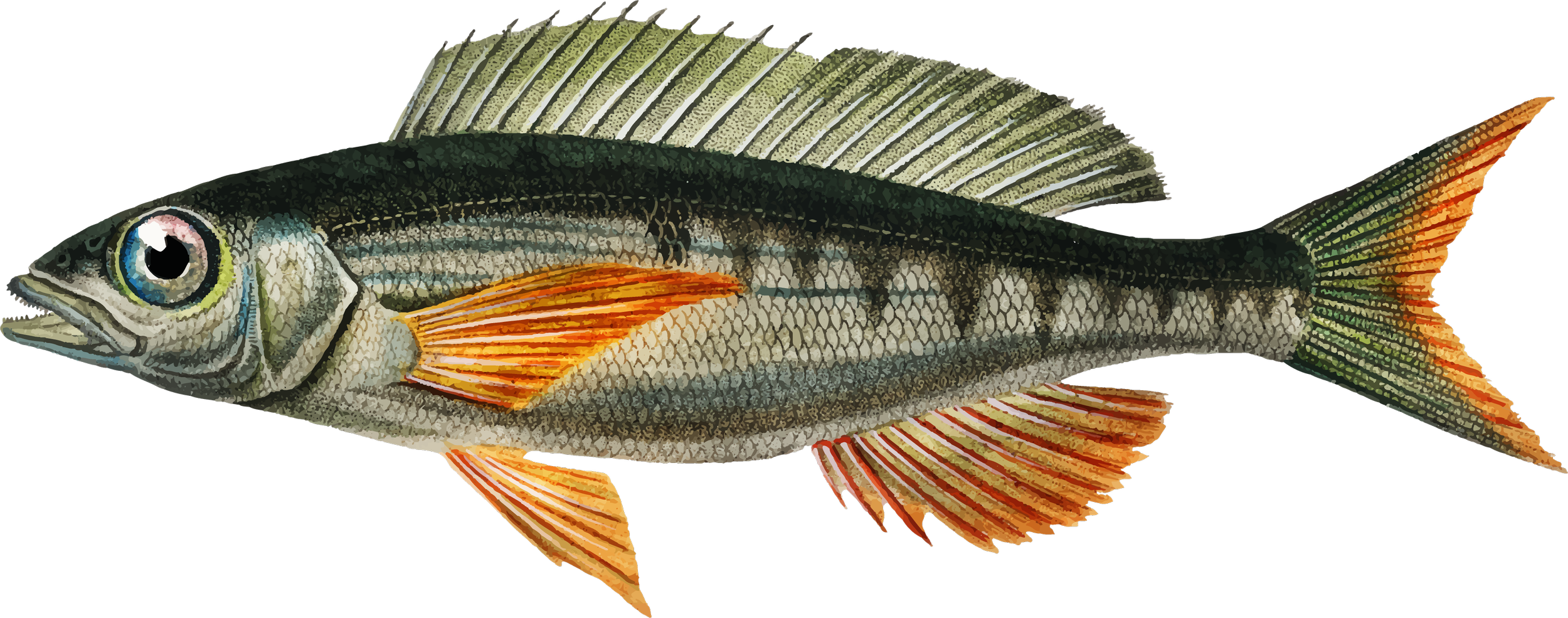
But our fish is not alone—she swims among hundreds of other fish and millions of microorganisms, each carrying their own bustling cities of cells and mitochondria.
As the water warms, their collective metabolism shifts, changing how quickly individuals grow and how many young the population can support. Temperature becomes a quiet conductor, steering the rise and fall of the whole population.


As fish move through warmer waters, they become part of a larger story—one that includes the predators that hunt them, the plankton that feed them, and the people who rely on them for food.
When warming waters shift metabolism and movement across ecological communities, it changes how many fish reach our nets, our markets, and ultimately our dinner plates.
By tracing how temperature reshapes these connections, the Bernhardt Lab reveals how climate change impacts not just ecosystems, but the human communities and cultures that depend on them.

Our work has been featured in






Latest news from the Bernhardt Lab


Why This Work Matters
Helping ecosystems and communities adapt in a rapidly changing world
As the planet changes, living systems—from ecosystems to the human communities that depend on them—are being pushed in new and uncertain ways. This work helps us understand how biological systems respond to global change, so we can make smarter, more just decisions about conservation, resource management, and policy.